

School of Dentistry News
Top News from the Dental News Blog
See Full Blog
-
Mark Murphy
Tuesday September 29, 2026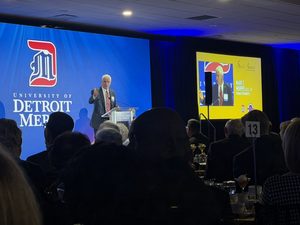
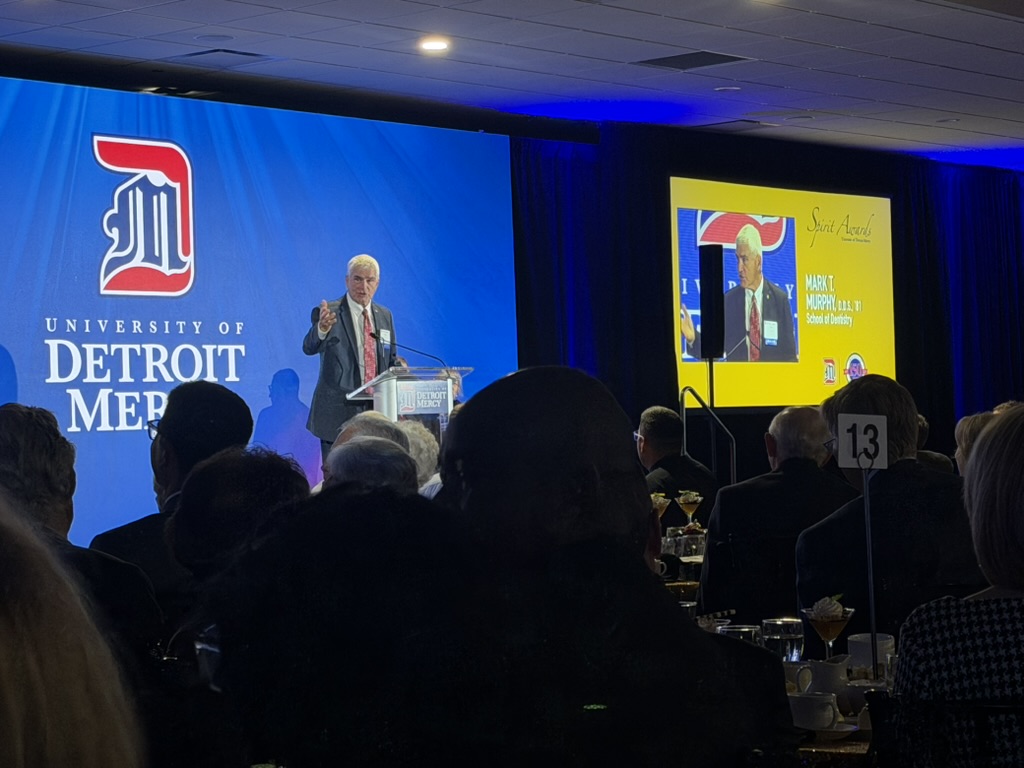
The University of Detroit Mercy School of Dentistry is proud to recognize Dr. Mark T. Murphy ’81 as its 2026 Alumni Spirit Award recipient, honoring a career defined by leadership, education, service and an enduring commitment to his alma mater.
Since graduating from the University of Detroit School of Dentistry in 1981, Murphy has built a career extending far beyond the walls of his own practice. Over more than four decades, he has become a nationally and internationally recognized clinician, educator and leader, lecturing around the world on dental sleep medicine, leadership, practice management and treatment planning.
Murphy has served on the boards of the Pankey Institute, National Association of Dental Laboratories, Foundation for Dental Laboratory Technology, St. Vincent de Paul’s Dental Center and The Dental Advisor, among others. He also spent more than a decade on the visiting faculty of the Pankey Institute.
A Fellow of the American Academy of Sleep Medicine and Academy of General Dentistry, Murphy is also a Diplomate of the American Board of Dental Sleep Medicine, a distinction held by fewer than 1% of dentists nationwide.
His commitment to education continues through his work in dental sleep medicine with ProSomnus Sleep Technologies, but some of his most meaningful contributions have brought his expertise back to Detroit Mercy Dental.
Murphy helped establish the School’s dental sleep medicine program, has served as a guest faculty member for many years, and has presented continuing education programs for Detroit Mercy Dental, frequently donating his time and expertise.
Perhaps the best way to describe Murphy’s career is through one word: influence.
His impact reaches well beyond the organizations he has led or the audiences he has addressed. Throughout his career, Murphy has taught, mentored and challenged countless dental professionals to think differently about their patients, their practices and the profession itself.
That influence has a ripple effect. The clinicians he has educated take what they have learned back to the patients and communities they serve. As a result, his impact extends to people he may never meet. Somewhere, patients are breathing better and living healthier lives because of knowledge passed along by a clinician who once learned from Mark Murphy.
That is the extraordinary reach of a great educator.
Detroit Mercy Dental graduates experienced that influence firsthand in 2019, when Murphy returned to his alma mater as the School of Dentistry’s commencement speaker. He left the graduating class with three deceptively simple principles:
Do the right thing. Do your best. Treat other people the way you want to be treated.
Those words reflect not only the advice Murphy shared that day, but also the way he has practiced, taught and led throughout his career.
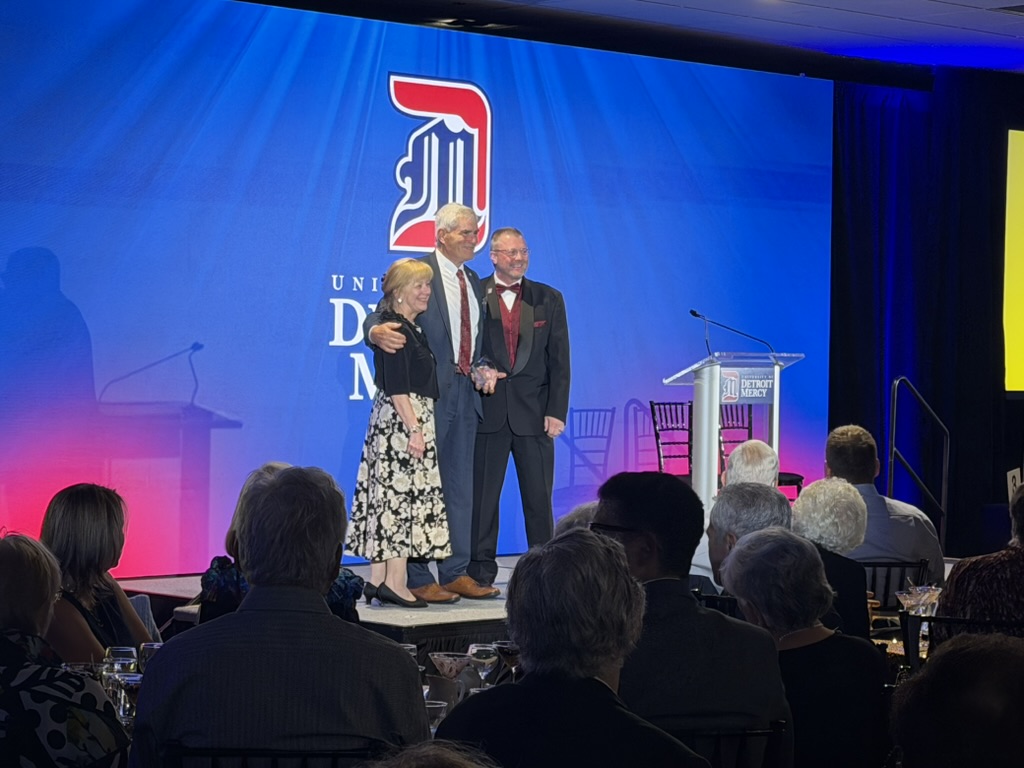
The Alumni Spirit Award celebrates graduates whose professional achievements, service and connection to Detroit Mercy embody the spirit of the University. Through his leadership, dedication to education and continued commitment to Detroit Mercy Dental, Murphy exemplifies those qualities.
Detroit Mercy Dental congratulates Dr. Mark T. Murphy ’81 on being named the School of Dentistry’s 2026 Alumni Spirit Award recipient and thanks him for the lasting influence he continues to have on the profession, his students, his colleagues and his alma mater.
-
Dean’s High Five – Summer 2026
Wednesday June 10, 2026
Every day, special achievements and newsworthy headlines are happening at the School of Dentistry. In an effort to give proper acknowledgment and share these successes, please tune in for the monthly Dean’s High Five as we acknowledge those responsible for the top five stories happening at Detroit Mercy Dental. If you have news to share, click here to submit your story for a chance to be featured in an upcoming Dean’s High Five!
Celebrating the Class of 2026
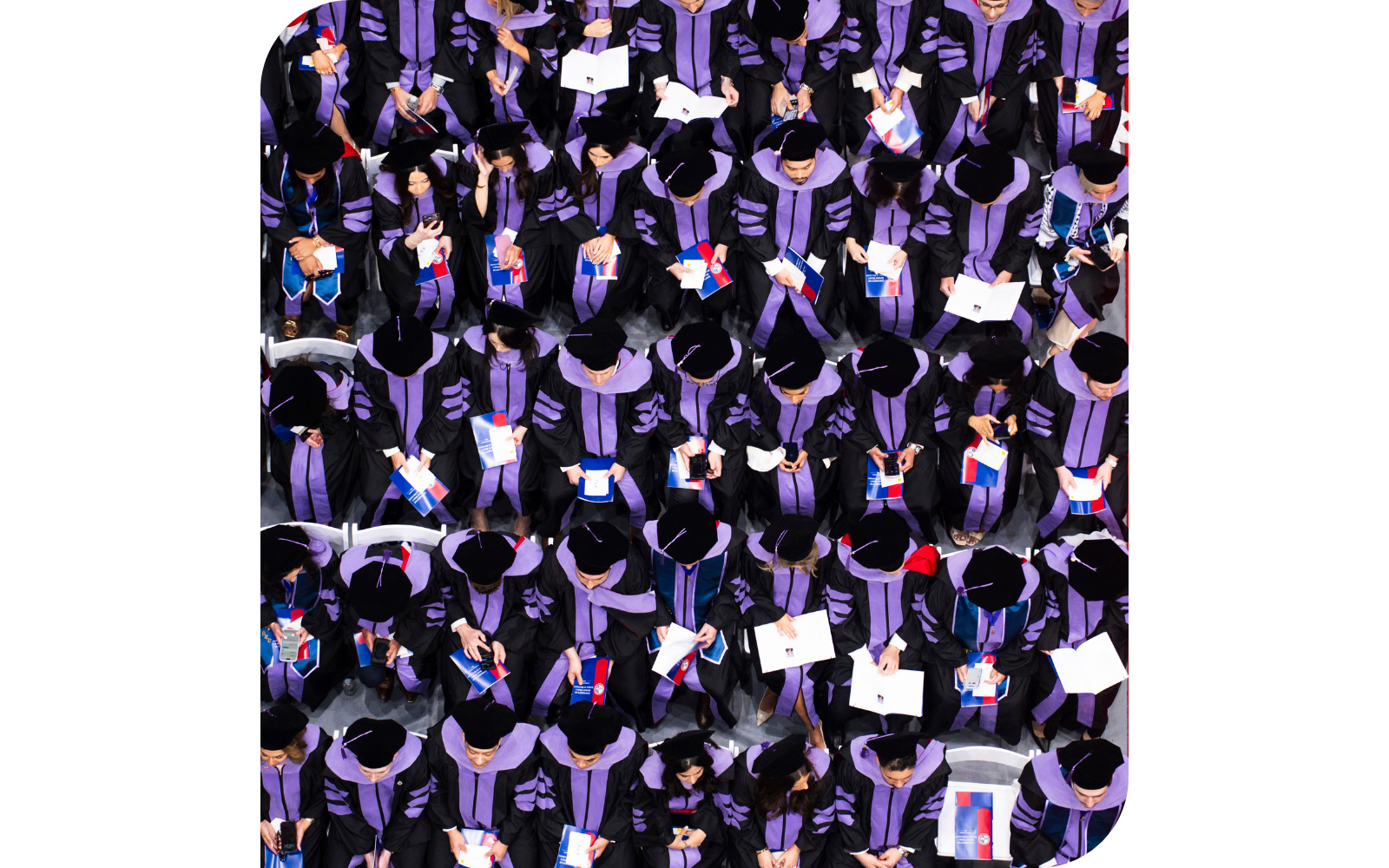 Class of 2026
Congratulations to all graduates of the Class of 2026 on reaching this significant milestone. Through dedication, perseverance and a commitment to excellence, you have completed your academic and clinical training and are prepared to enter the profession as skilled and compassionate oral health professionals.
As you move forward, you join a proud community of alumni dedicated to advancing patient care, service and lifelong learning.
Mayberry elected President of the Michigan Dental Association**
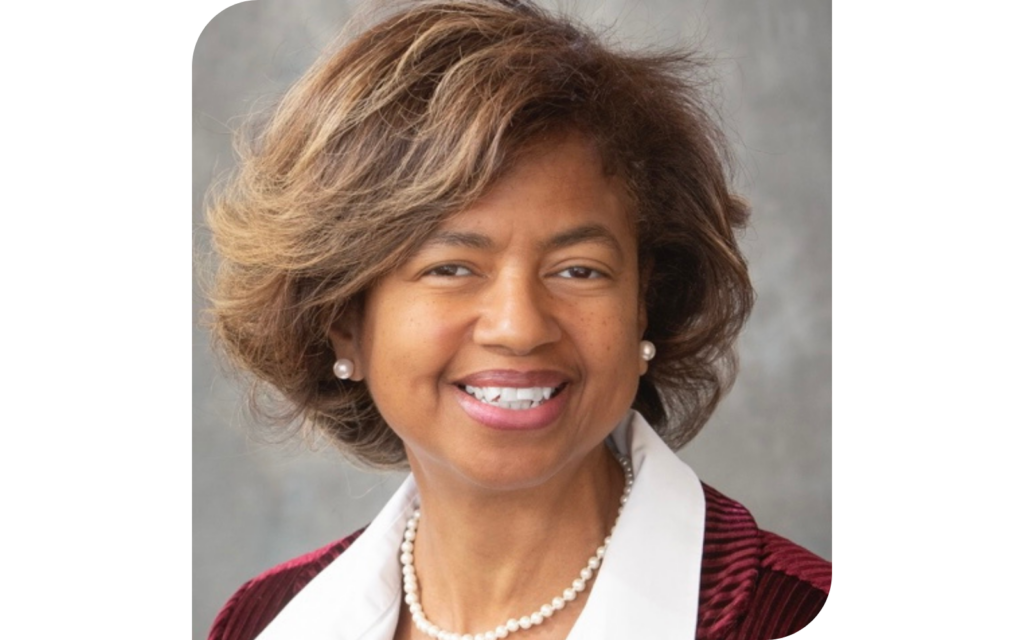 Melanie E. Mayberry, D.D.S., M.S.-HCM
Melanie E. Mayberry, D.D.S., M.S.-HCM, a fellow of the Academy of General Dentistry, clinical professor and division director of practice essentials and interprofessional education, has been installed as president of the Michigan Dental Association.
A respected leader in dental education and organized dentistry, Mayberry is recognized for her commitment to advancing oral health, fostering professional collaboration and mentoring the next generation of dental professionals.
Her installation as MDA president marks a distinguished milestone in a career defined by leadership, service and dedication to the profession.
Baghaie’s Research Featured in Journal of Endodontics**
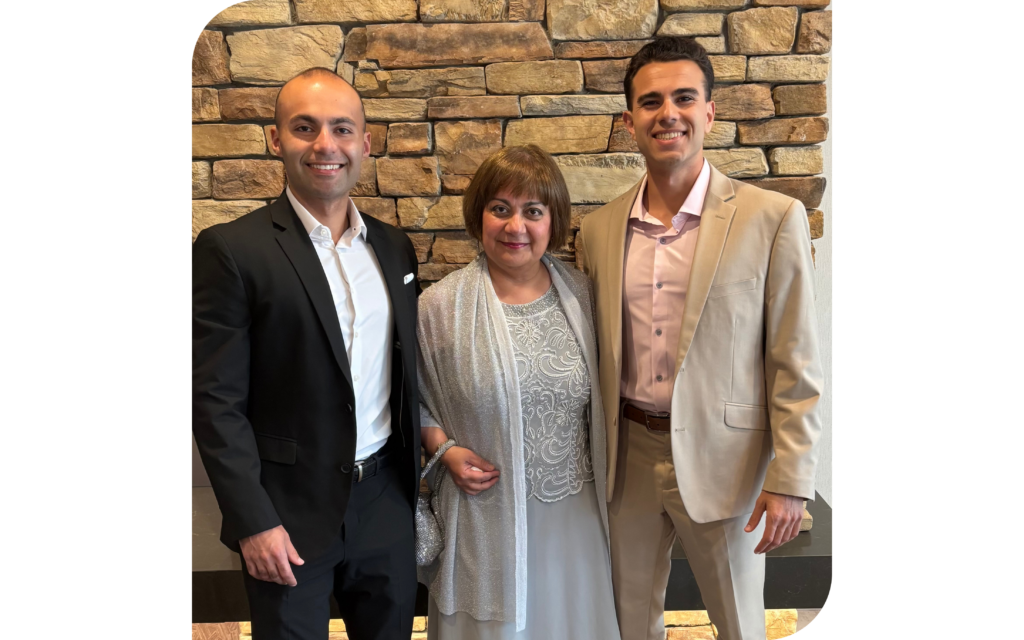 Farhad Kevin Baghaie, D.D.S. ’22, Farzad Baghaie, DS4, Clinical Associate Professor and Endodontics Resident, Nahid Kashani, D.D.S., M.S.D., F.A.G.D
Farzad Baghaie, a fourth-year dental student; Farhad Kevin Baghaie, D.D.S. ’22; and Nahid Kashani, D.D.S., M.S.D., F.A.G.D., clinical associate professor and endodontics resident, recently published the article “Long-Term Outcomes of Predoctoral Root Canal Therapy: Retreatment and Tooth Loss in a 17-Year Institutional Cohort” in the Journal of Endodontics, widely regarded as a leading journal in the field. The article will also be featured in the Journal of Endodontics Magazine, Volume 52, Issue 7.
The study evaluated the long-term outcomes of root canal therapy performed in a predoctoral dental program over a 17-year period, contributing meaningful data on treatment success, retreatment rates and tooth survival. The project highlights the importance of evidence-based dentistry and the quality of care provided within academic dental institutions.
Publishing in the Journal of Endodontics is a significant accomplishment, and achieving first-author publication as a dental student is especially noteworthy. The significance of this work has also led to multiple invitations to present nationally, including at The Ohio State University, the Michigan Dental Association, the Academy of General Dentistry Annual Conference in Las Vegas, and the Delta Sigma Delta 142nd Annual Meeting in Austin, Texas.
This outstanding achievement reflects a strong commitment to advancing endodontic science and exemplifies excellence in academic dentistry.
Patel Appointed to Michigan Board of Dentistry**
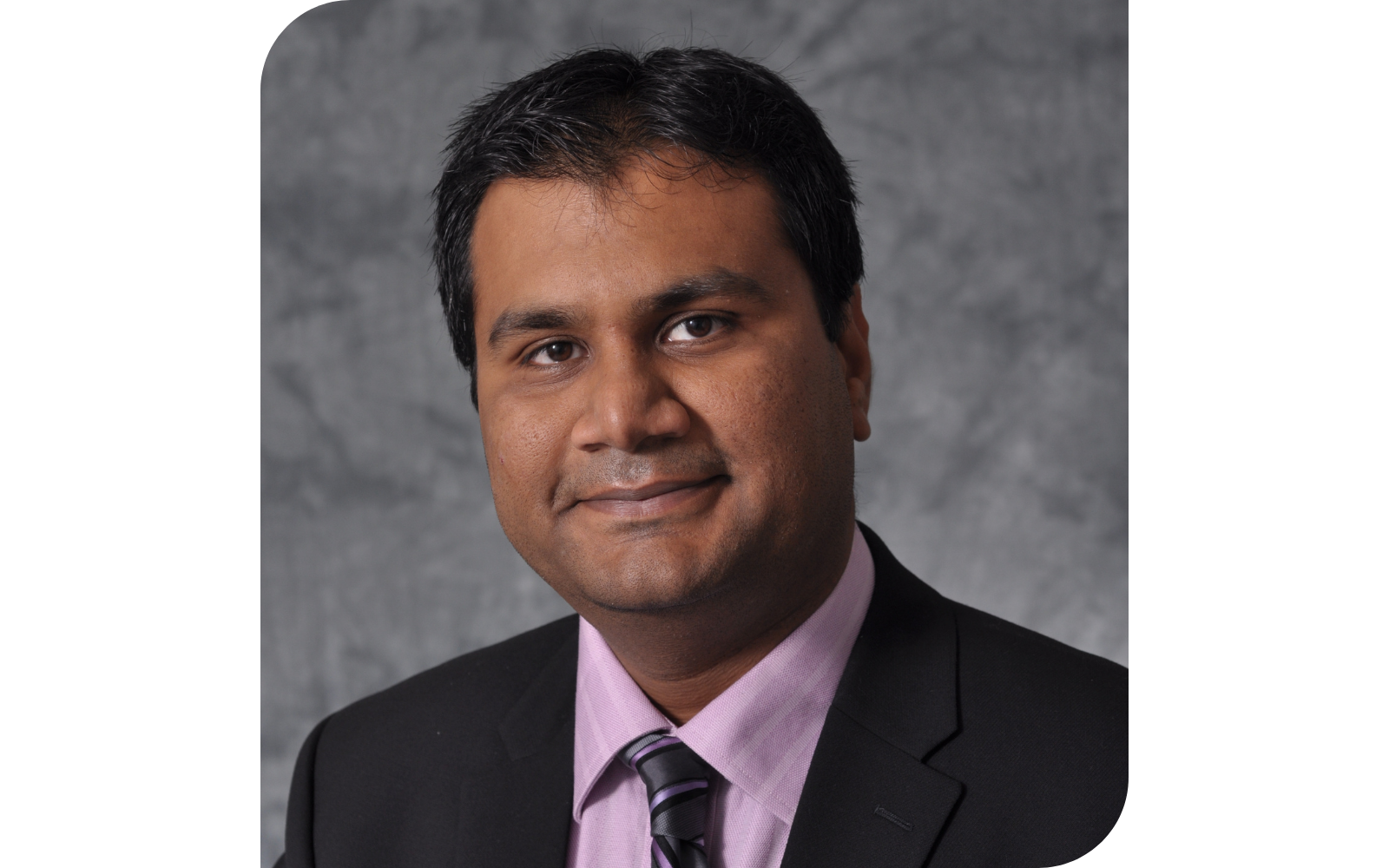
Clinical Assistant Professor, Assistant Dean for Clinic Operations and Division Director for the Division of Clinical Dentistry,
Ashish Patel, D.D.S. ’17Ashish Patel, D.D.S. ’17;, clinical assistant professor, assistant dean for clinic operations and division director of the Division of Clinical Dentistry, has been appointed to the Michigan Board of Dentistry. His term begins July 1, 2026. Patel will bring a wealth of clinical expertise, operational leadership and academic experience to this important statewide role.
His appointment to the Michigan Board of Dentistry is a well-deserved recognition of his dedication to serving the profession and the public. As a member of the board, Patel will help guide policies and standards that support the future of dentistry and oral health care across Michigan.
We congratulate Patel on this outstanding achievement and look forward to the positive impact his leadership and expertise will continue to have on the dental profession and the communities it serves.
Honoring Top Honors at the MDA Poster Competition**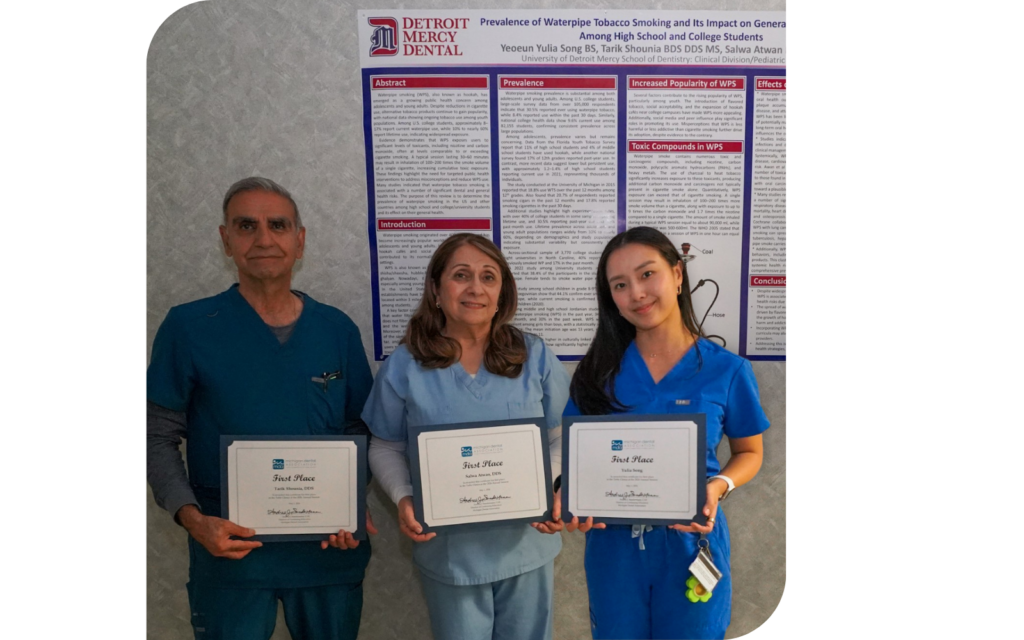 Group Photo at Michigan Dental Association (MDA) Poster Session
Congratulations to our research team for placing first and second at the Michigan Dental Association Annual Session Poster Session. First place went to Yulia Song, DS3, Salwa Atwan, D.D.S., M.S. and Tarik Shounia, D.D.S. ’14, from the University of Detroit Mercy School of Dentistry, for their outstanding research presentation titled “Prevalence of Waterpipe Tobacco Smoking and Its Impact on General and Oral Health Among High School and College Students.”
Second place was awarded to the Advanced Education in General Dentistry team at the University of Detroit Mercy School of Dentistry for its research presentation titled “Understanding Patient Knowledge of Dental Caries: A Qualitative Interview Study.”
Taylor Inducted as Fellow of the Pierre Fauchard Academy**
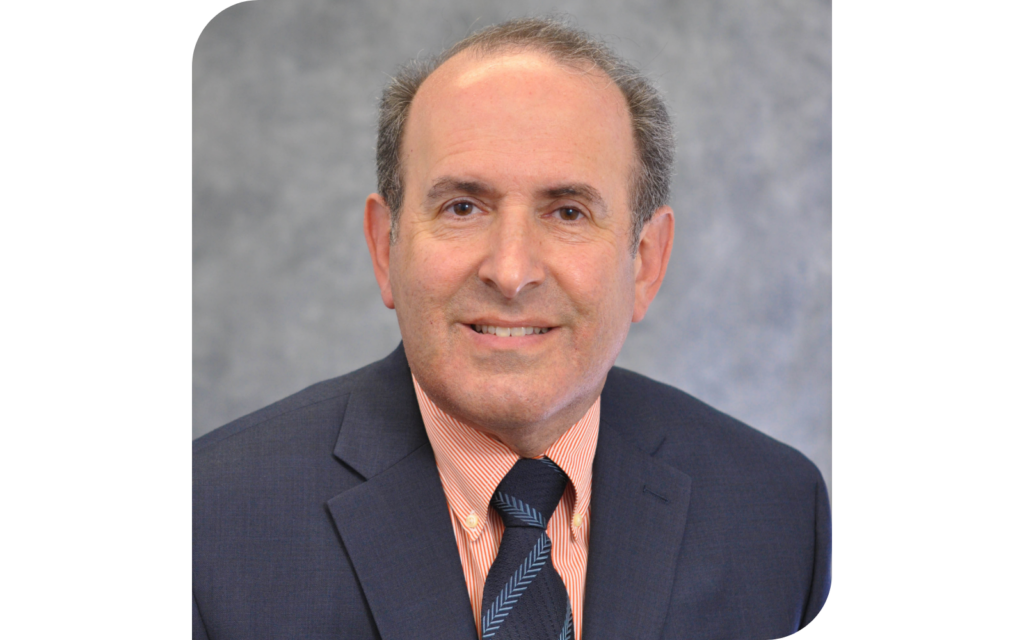
Clinical Associate Professor and clinic lead, Charles Taylor, D.D.S.Charles Taylor, D.D.S., clinical associate professor and clinic lead, has been inducted as a fellow of the Pierre Fauchard Academy. The honor was recognized during the Michigan Dental Association Annual Session in Grand Rapids. The Pierre Fauchard Academy is an international dental honor society that recognizes dentists for outstanding contributions to the advancement of the art and science of dentistry.
Taylor’s induction reflects his enduring commitment to excellence and leadership in the dental profession.
Van Dam Receives MDA Dental Faculty Award**
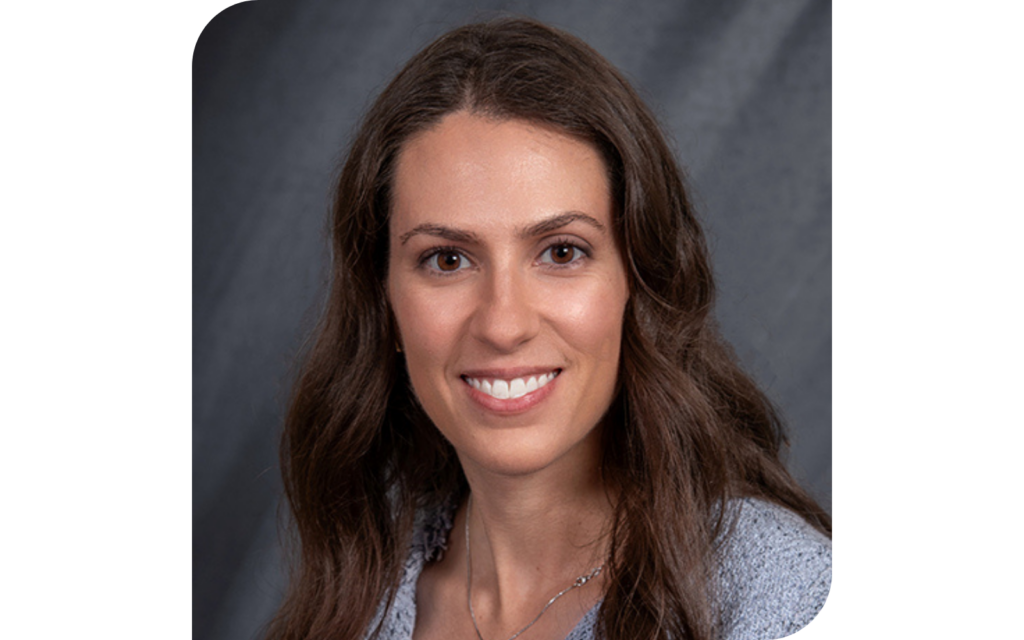
Christina Van Dam, D.D.S. ’11, M.S., Program Director, Advanced Education in General DentistryChristina Van Dam, D.D.S. ’11, M.S., program director of Advanced Education in General Dentistry, has received the Dental Faculty Award in recognition of her excellence in teaching, mentorship and commitment to student success. The award, presented in partnership with the Michigan Dental Association, highlights outstanding contributions to dental education and the profession. Known for her supportive and rigorous approach to dental education, Van Dam has made a lasting impact on her students and colleagues, reflecting the university’s Jesuit and Mercy values of service, compassion and professional excellence.
Haddow Named OKU Inductee**
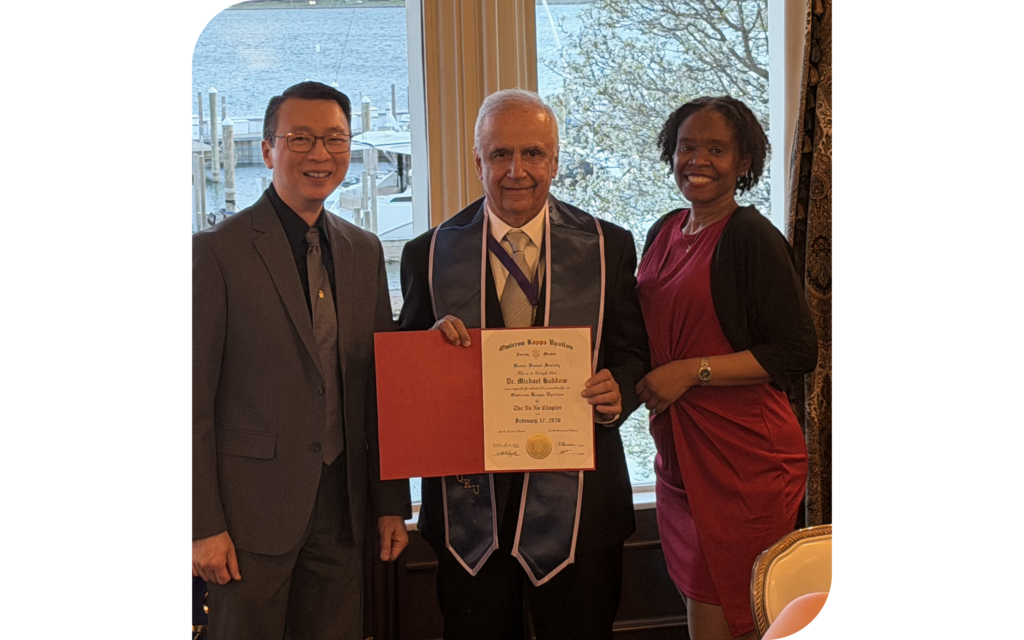
Clinical Associate Professor, Michael Haddow, D.D.S.Michael Haddow, D.D.S., clinical associate professor, has been inducted into Omicron Kappa Upsilon, the national dental honor society that celebrates academic excellence, character and professionalism in dentistry. Haddow’s induction places him among a distinguished group of leaders whose impact extends across the dental profession.
This recognition highlights Haddow’s distinguished contributions and enduring commitment to excellence in dentistry.
Juday Named OKU Inductee**
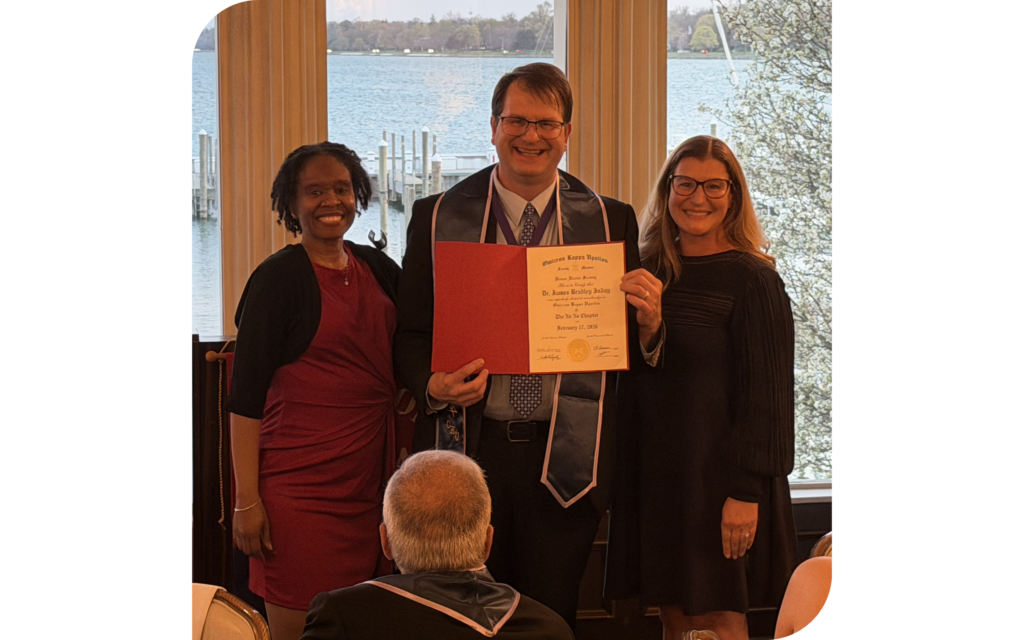
Clinical Assistant Professor, Bradley Juday, D.D.S. ’94Bradley Juday, D.D.S. ’94, clinical assistant professor, has been inducted into Omicron Kappa Upsilon, the national dental honor society that celebrates academic excellence, character and professionalism in dentistry. The honor places Juday among an esteemed group of individuals whose leadership has made a lasting impact on the profession.
This recognition highlights Juday’s distinguished contributions and enduring commitment to excellence in dentistry.
**These stories are mission and identity moments that highlight activities that reflect our Jesuit and Mercy values.
-
School of Dentistry serves more than 400 patients during Jamaica mission trip
Wednesday June 10, 2026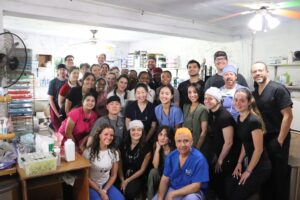
During spring break in March, students and faculty from the Detroit Mercy School of Dentistry participated in a one-week, spiritually enriching mission trip to Jamaica. The region was still recovering from the effects of Hurricane Melissa in October 2025, and many residents lacked access to essential dental care.
The team included 22 second- through fourth-year dental students and 11 dentists, including faculty, residents and alumni. Together, they represented specialties such as oral surgery, pediatric dentistry, general dentistry, restorative dentistry and periodontics.
During four days of service, the group treated 402 patients. Clinical care included 195 extractions, 109 fillings, 103 prophylaxis and gross debridement procedures, 27 root canals and two pulpotomies. Notably, a third-year dental student successfully saved the front teeth of a 16-year-old patient by performing a root canal and composite restoration.


-
Class of 2026 Leadership Award Recipients
Thursday May 28, 2026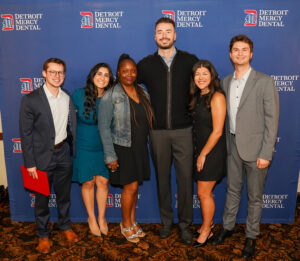
Each year, Detroit Mercy Dental honors students, staff and faculty with a variety of awards. Recipients are chosen based on a demonstration of excellence in different aspects of dentistry and dental education.
The Class of 2026 awardees were honored on Monday, April 27th at Mario’s Restaurant
Student Government Staff Appreciation Awards
These awards are presented for outstanding dedication and service to students at the University of Detroit Mercy School of Dentistry.
Todd Herrington Sharda Johnson Darryn Salter
Student Government Faculty Appreciation Award
These awards are presented for outstanding dedication and service to students at the University of Detroit Mercy School of Dentistry.
Ahmed Sarhan, B.D.S., M.S. Joseph Ellis, D.D.S.
DH1 – Class of 2027 Dental Hygiene Outstanding Clinical Faculty Member
This award is presented to a Dental Hygiene faculty member selected by the Dental Hygiene Class of 2027
for their significant contribution to the clinical educational experience.
Ellese Blackmon, R.D.H., M.S.D.H.
DH1 – Class of 2027 Dental Hygiene Outstanding Didactic Faculty Member
This award is presented to a Dental Hygiene faculty member selected by the Dental Hygiene Class of 2027 for their significant contribution to the didactic educational experience.
Sanjay Chand, M.D.
DH2 – Class of 2026 Dental Hygiene Outstanding Clinical Faculty Member
This award is presented to a Dental Hygiene faculty member selected by the Dental Hygiene Class of 2026 for their significant contribution to the clinical educational experience.
Pamela Ramirez, R.D.H., B.S.D.H.
DH2 – Class of 2026 Dental Hygiene Outstanding Didactic Faculty Member
This award is presented to a Dental Hygiene faculty member selected by the Dental Hygiene Class of 2026 for their significant contribution to the didactic educational experience.
Kristina Okolisan-Mulligan, R.D.H., B.S., M.A.
DS1 – Class of 2029 Outstanding Pre-Clinical Faculty Member
This award is presented to a faculty member selected by the Dental Class of 2029 as the most outstanding pre-clinical instructor.
Christina Kucy, D.D.S. & Nacxit Calderon Trejos, D.D.S., M.S.c
DS1 – Class of 2029 Outstanding Didactic Faculty Member
This award is presented to a faculty member selected by the Dental Class of 2029 as the most outstanding didactic instructor.
David Fischer, Ph.D.
DS2 – Class of 2028 Outstanding Didactic Faculty Member
This award is presented to a faculty member selected by the Dental Class of 2028 as the most outstanding didactic instructor.
Sanjay Chand, M.D.
DS2 – Class of 2028 Best Pre-Clinical Faculty Member
This award is presented to a faculty member selected by the Dental Class of 2028 as the most outstanding instructor.
Pranit Bora, B.D.S., M.D.S., M.S.
DS3 – Class of 2027 Outstanding Clinical Faculty Member
This award is presented to a faculty member selected by the Dental Class of 2027 as the most outstanding clinical faculty member.
Luiz Magno, D.D.S., M.S.D.
DS3- Class of 2027 Outstanding Overall Faculty Member
This award is presented to a faculty member selected by the Dental Class of 2027 as the most outstanding didactic instructor.
Sanjay Chand, M.D.
DS4 – Class of 2026 Outstanding Clinical Faculty Member
This award is presented to a faculty member selected by the Dental Class of 2026 as the most outstanding clinical faculty member.
Group 1: Timothy Saunders, D.D.S.
Group 2: David Kirschner, D.D.S.
Group 3: Fernando Harp Ruiz, D.D.S.
Group 4: Gary Bonior, D.D.S.
DS4 – Class of 2026 Dr. Charles Cooper Award
This award is presented to a faculty member selected by the Dental Class of 2026 as the most outstanding fulltime faculty member.
David Kirschner, D.D.S.
DS3 Award – American College of Dentists Michigan Section Outstanding Leadership Award
This award is presented to a DS3 who has shown exemplary ethical conduct, leadership potential, technical competence and commitment to learning.
Ali Rammal
DS3 Award – American Student Dental Association Award of Excellence
This award is presented to a DS3 in recognition of outstanding leadership and dedicated service to the School and organized dentistry.
Sophia Huszti
DS3 Award – Detroit District Dental Society Recognition of Excellence in Patient Care
This award is presented to DS3 who demonstrates outstanding clinical skills, applying biomedical science knowledge to the compassionate care of patients and shows leadership potential in dentistry.
Yesmine Hamood
DS3 Award – American Dental Association and DENTSPLY
This recognition is given to a student for their participation in the Clinician Research Program.
Arif Hussain
-
Commencement Spotlight: In Conversation with Dr. Judith A. Jones
Wednesday May 06, 2026
The University of Detroit Mercy School of Dentistry is honored to welcome Judith A. Jones, D.D.S., M.P.H., D.Sc.D. as this year’s commencement speaker. An internationally recognized leader in dental public health and geriatric dentistry, Jones has dedicated her career to improving oral health outcomes for vulnerable and aging populations.
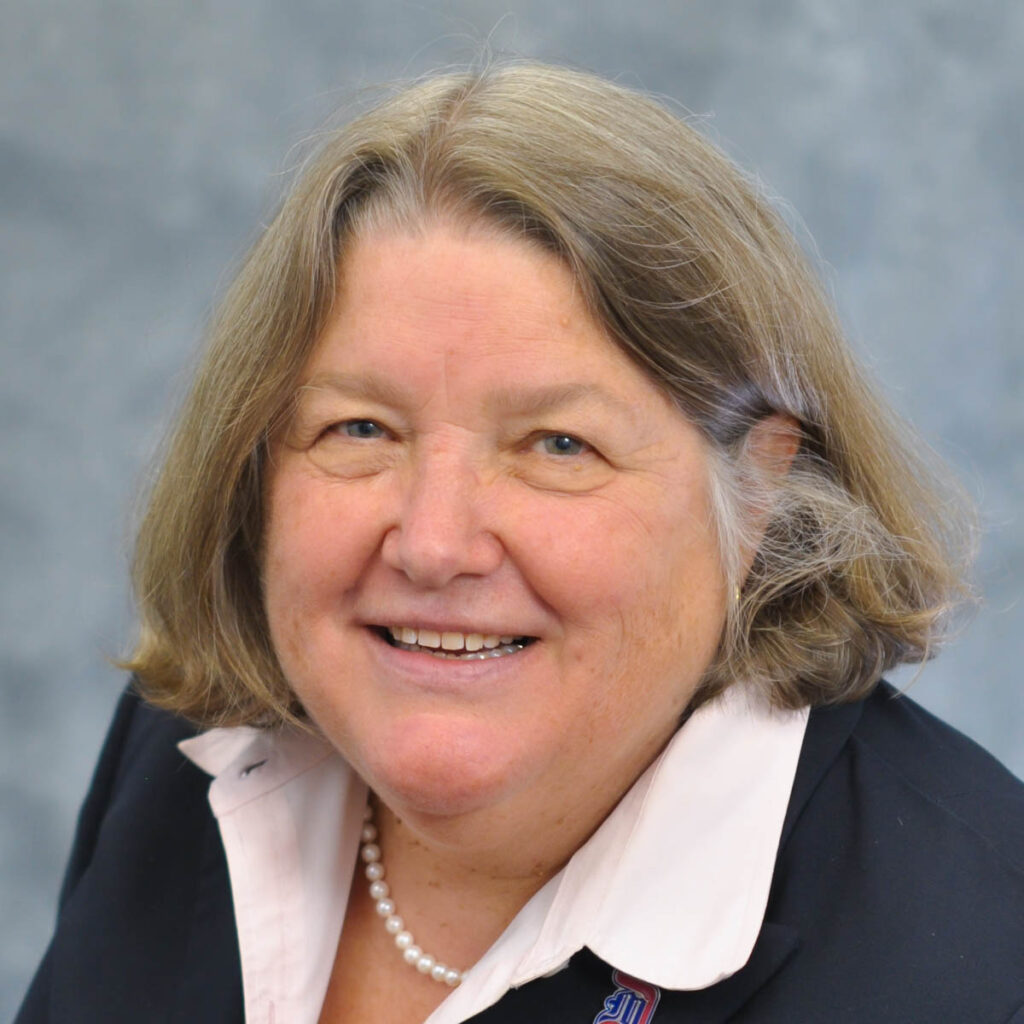
Judith A. Jones, D.D.S., M.P.H., D.Sc.D.
Jones joined Detroit Mercy in 2017 and currently serves as an adjunct professor, previously holding the role of associate dean for academic administration. She is board-certified in both dental public health and geriatric dentistry and is widely respected for her contributions to education, research and clinical care.
She began her professional journey in dental hygiene, earning a certificate from the University of Michigan, and went on to receive her Doctor of Dental Surgery and Master of Public Health from the University of North Carolina at Chapel Hill. She completed a Veterans Affairs Geriatric Dentistry Fellowship affiliated with the Harvard School of Dental Medicine and later earned a Doctor of Science in Dentistry (D.Sc.D.) in Dental Public Health from Boston University.
Jones has held numerous national leadership roles throughout her career, including serving as president of the American Board of Dental Public Health and as a spokesperson for the American Dental Association. She was recently named vice president of the Santa Fe Group, a national think tank focused on improving lives through oral health. Her work within the Veterans Affairs system has included leadership of programs serving geriatric and special needs populations.
A distinguished educator and researcher, Jones has focused extensively on the relationship between oral health, overall health and quality of life. Her contributions have been recognized with honors such as the International Association for Dental Research Distinguished Scientist Award for Geriatric Oral Research and the ADEA Gies Award for Outstanding Innovation as an Educator.
Jones brings to commencement a wealth of experience shaped by leadership, service and a deep commitment to advancing oral health. As graduates prepare to enter a rapidly evolving profession, her perspective offers both guidance and encouragement. Dr. Jones has dedicated her career to improving oral health outcomes for vulnerable and aging populations. In the following Q&A, Jones reflects on her career, shares lessons learned, and offers insight into the opportunities and responsibilities facing the next generation of dental professionals.
Q: What do you think today’s dental graduates are stepping into that’s different from when you began?
A: Funding education is more difficult. So loans are bigger. Technology has changed dental practice somewhat, but prevention is still the cheapest and most effective way to prevent oral diseases.Q: What gives you the most hope about the future of oral health right now?
A: Students are better prepared in many respects. Improvements in biology, clinical preparation and interprofessional practice.Q: What’s something you believed early in your career that you’ve since changed your mind about?
A: Implants were experimental when I started practice. Now they are much more common, but prevention is still the best.Q: What role do you think new dentists should play in addressing access to care or health equity?
A: An active role. Health care, including oral health care, is a basic human right.Q: How can young professionals stay grounded in patient-centered care amid changing systems and pressures?
A: Do what’s best for each and every patient. And document, document, document!Q: What does service (whether to the profession or the public) look like in dentistry when you’re also navigating student debt, market shifts, and the need to build a sustainable career?
A: My career was based in service. If you serve, you will come out ahead.Q: What’s one thing you wish you knew about balancing a demanding career and personal life when you were a new graduate?
A: It is possible to have a demanding career and a family at the same time. You need the right partner to do this. Choose well. And be flexible.
Q: What’s something people would be surprised to learn about you?
A: I used to tow gliders.Q: If you weren’t in dentistry, what would you be doing?
A: Flying.
Join Us at Commencement
This is more than a milestone; it’s the beginning of a career dedicated to care, impact and lifelong growth.
Friday, May 8 at 9:30 a.m. (doors open at 8:30 a.m.)
Calihan Hall
University of Detroit Mercy – McNichols Campus
4001 W McNichols Rd
Detroit, Mich. 48221

Detroit Mercy is the highest-ranked independent university in Michigan, and is among the top 100 private institutions nationwide.

Fall Festival at Homecoming returned to the McNichols Campus for two days packed with activities for Titans, friends and the community to enjoy.

Hundreds of new Titans were busy across four campuses as they began their University of Detroit Mercy careers during the final days of August.

UDM is welcoming the new academic year — and the celebration of its 150th anniversary in the city of Detroit — with a special Mass celebrated by a representative of the Vatican.

Happy birthday to us! University of Detroit Mercy is 150 years old, and we are throwing a yearlong celebration.

More than 1,700 Titans graduated from University of Detroit Mercy following the 2025-26 academic year.

If you’ve run into Mack Powell in the hallways at Detroit Mercy School of Dentistry, there’s a very good chance that you’ve heard him say, “I’m living the dream.” It’s a mantra that holds true in more ways than one.

February is Black History Month, and University of Detroit Mercy will celebrate with a series of enlightening events across all campuses.
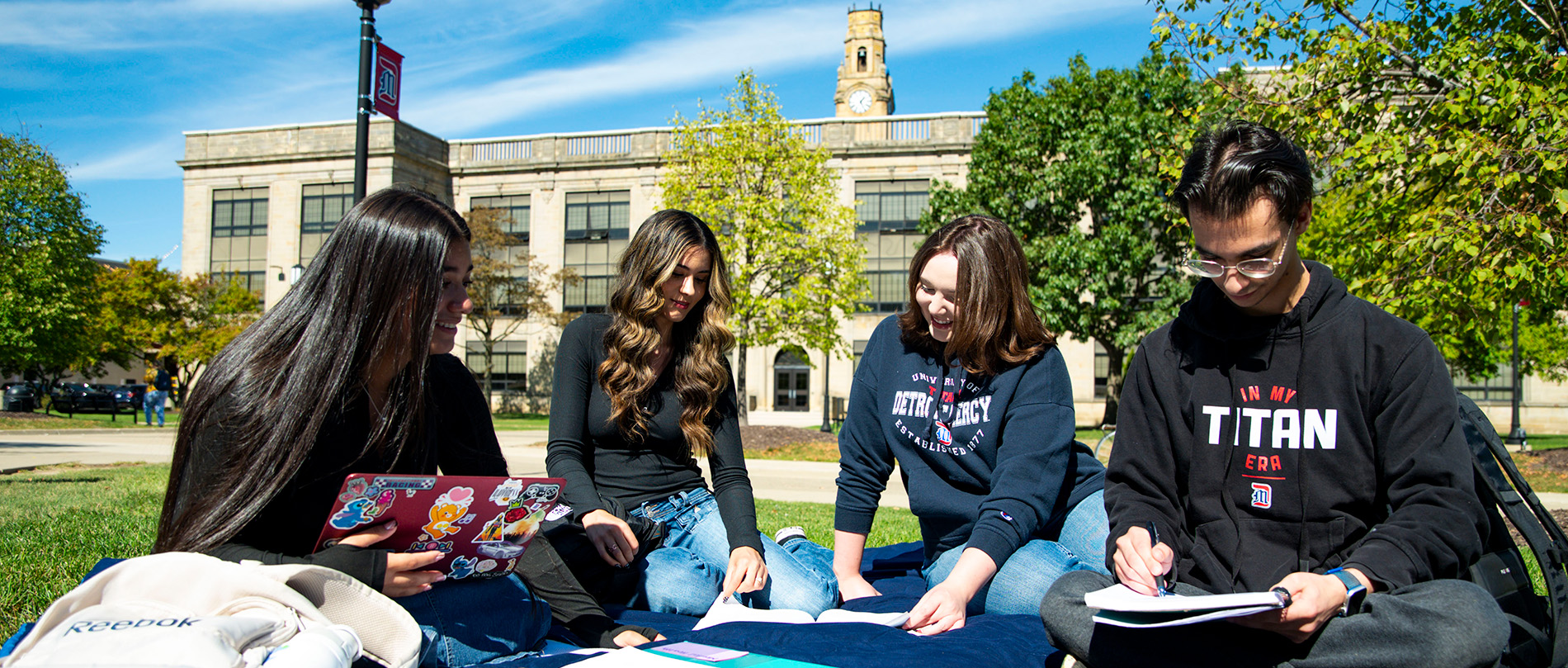
The launch and dissemination of these core values come during an exciting time of growth for UDM, highlighted by strong national rankings and new academic programs.

UDM graduates rank in the top 9% of 4,476 colleges and universities nationwide for salary earned over a period of 15 to 40 years during their career.

The Wall Street Journal/College Pulse rankings focus on student outcomes rather than inputs, highlighting the tangible value a school delivers to its students. It evaluates colleges on several key measures, including social mobility and salary impact.

One alumnus from each of the seven schools is selected for the honor from nominations submitted from both inside and outside the University.

Jeanette Andrade ’25 wants to help people. It’s what she envisions doing with her Dental Hygiene degree from Detroit Mercy’s School of Dentistry. But before helping others and finishing her degree, Andrade needed to pause her studies so she could take care of herself.

The 'Opportunity College and University' designation highlights UDM as a model institution for fostering student success and advancing research on effective campus practices.

February is Black History Month, and University of Detroit Mercy will celebrate with a series of enlightening events across all campuses.

This new dental clinic and education program would bring UDM students to Vermont to complete their final years of training – strengthening the dental care provider pipeline and expanding access to much-needed care across the state.

The 2025 Wall Street Journal/College Pulse ranking has put UDM at No. 43 in the nation, nine places higher than it ranked the University last year.
The world welcomed new Titans with more than 1,000 University of Detroit Mercy graduates receiving their diplomas across four Commencement ceremonies May 10-11 on the McNichols Campus.
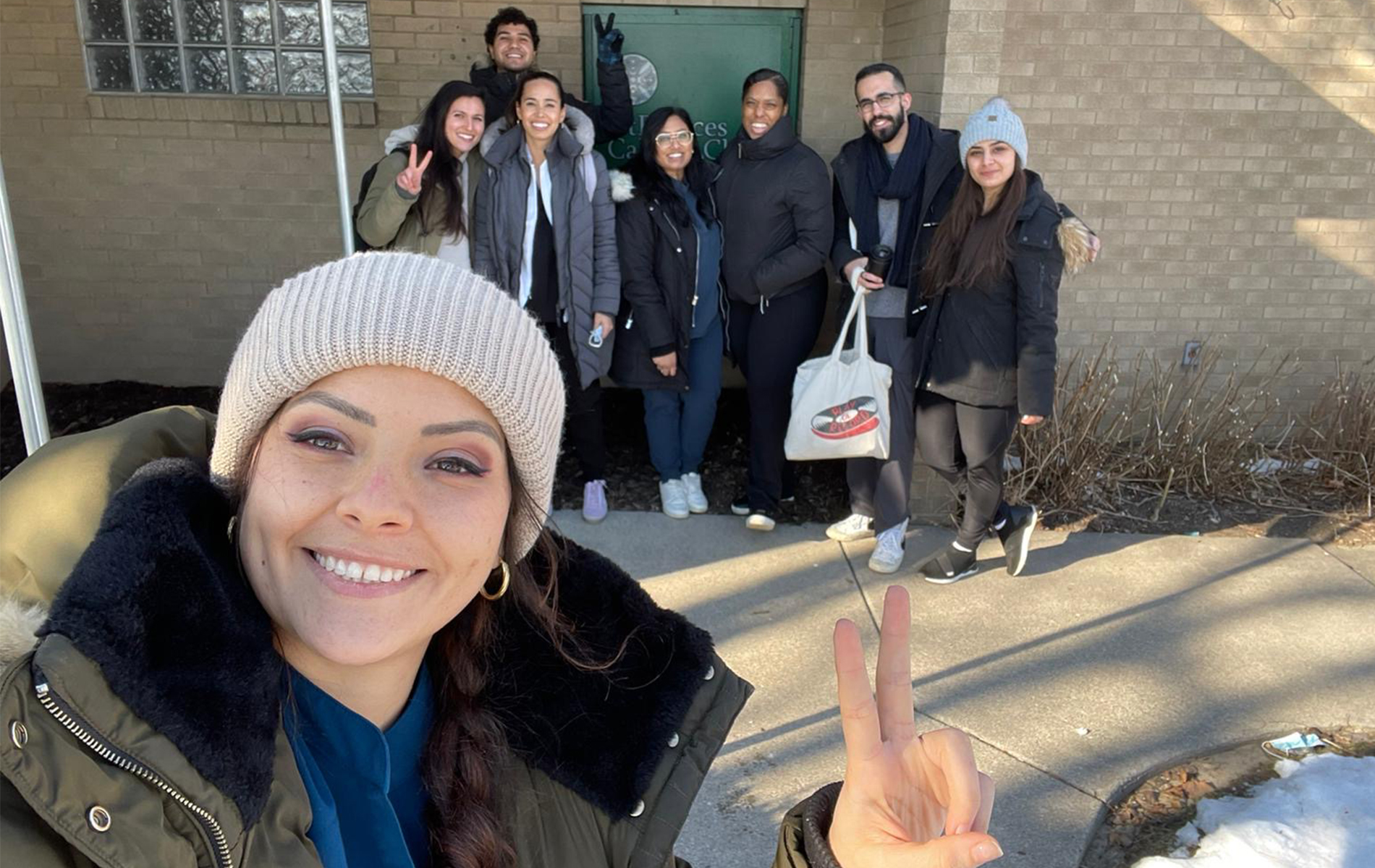
Meet the Class of '24: Dental grad Maria Latorre Sanchez says “It’s not about what happens to you, it’s about how fast you get up.”
University of Detroit Mercy has recently received more than $2 million in grants to help educate students and their work in the community.